Democratic Republic of the Congo
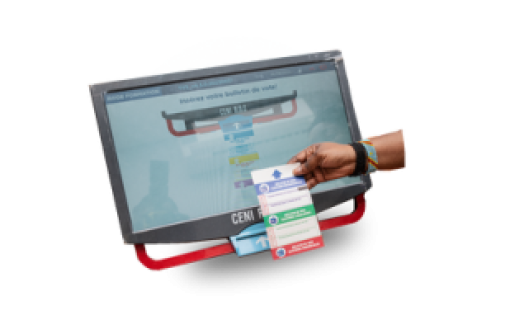
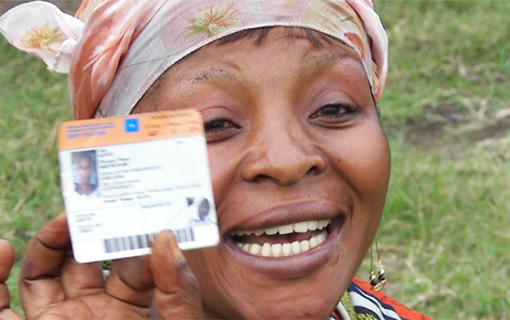
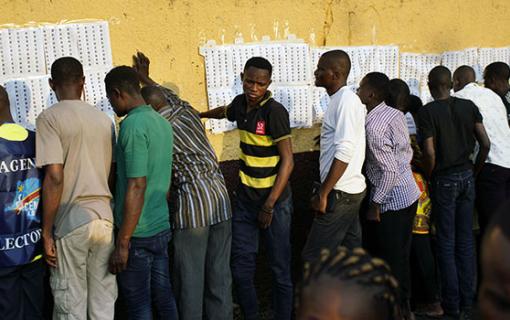
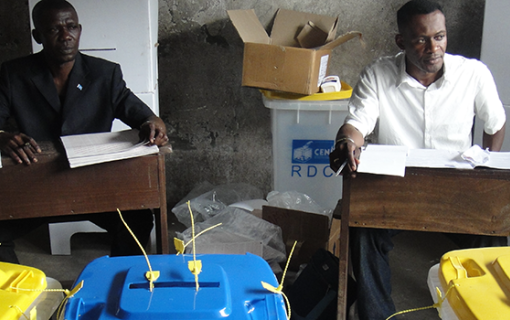
In the lead-up to the December 2023 elections, the Democratic Republic of Congo (DRC) faced significant political tensions, with rising concerns regarding the transparency and credibility of the electoral process. Opposition leaders expressed skepticism over potential irregularities and government interference. These presidential, legislative, provincial, and municipal elections were deemed crucial for evaluating reforms aimed at increasing electoral transparency and inclusiveness. The National Independent Electoral Commission (CENI) was under pressure to conduct fair elections, given past criticisms regarding irregularities. While there were some instances of delays in voting, ultimately, President Tshisekedi was re-elected with 70% of the vote. The DRC is currently in an electoral reform period with an aim to move toward more transparent and inclusive elections in 2028 incorporating lessons learned from the 2023 electoral period.
In this context, the International Foundation for Electoral Systems (IFES) is implementing two programs, the U.S. Agency for International Development, USAID/DRC-Funded Electoral Integrity Activity (DEIA) and the Foreign, Commonwealth and Development Office (FCDO)-funded Building an Inclusive and Resilient Democracy in DRC program.
IFES’s USAID-funded DEIA project is under the Consortium for Elections and Political Process Strengthening (CEPPS) and is implemented in coordination with the International Republican Institute (IRI). Following the completion of the CENI leadership renewal in early 2022, IFES assisted the CENI to develop and adopt a 2022–2026 strategic plan that is anchored on improving the CENI’s credibility and service quality, rebuilding electoral stakeholders’ trust in the institution and greater inclusion of previously marginalized populations. IFES has also assisted the new leadership to re-launch wider-ranging stakeholder dialogue forums, including in the 2023 pre-election period to increase transparency efforts with the CENI. Such forums were extended in the post-election period to capture lessons learned from the election process to feed into future electoral reforms. Under previous CENI leadership, IFES trained permanent CENI technical staff on election logistics, conducted 2018 elections’ lessons learned sessions, completed an Election Process Diagnostic, and conducted stakeholder mapping to inform civic advocacy on electoral reforms.
In parallel, IFES is assisting civil society organizations (CSOs), including youth-led, women-led, and disabled people's organizations, to effectively advocate for citizen priorities in legal reforms for timely, credible, and inclusive elections. With IFES’s assistance, CSOs formed the nationally representative iRÊVE network, which aims to advocate for transparent and inclusive elections in 2023 and beyond.
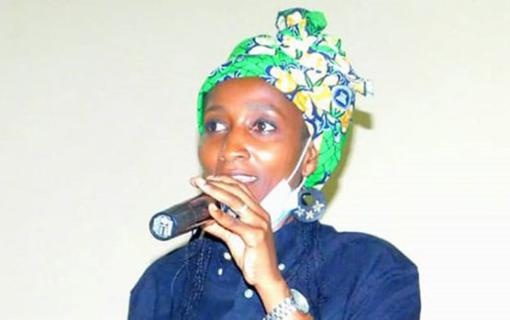
Throughout DEIA, IFES has contributed to improving gender and social inclusion in the electoral process. IFES has remotely trained over 100 women leaders and gender activists on electoral reform advocacy. Furthermore, IFES produced a comparative report on inclusion practices by African electoral management bodies, the findings of which have been widely disseminated among electoral stakeholders. Using these findings, IFES worked with the CENI and the DRC’s Ministry for Persons Living with Disabilities to spearhead initiatives for greater inclusion in the 2023 electoral process.
IFES’ FCDO-funded Building an Inclusive and Resilient Democracy in DRC program is focused improving CENI’s capacity and effectiveness to implement accountability measures to administer the electoral processes and enhance public participation in and oversight of political and electoral processes, particularly by women, youth, and other marginalized groups. As part of this support, IFES is implementing a pilot of IFES' customized women’s leadership training, She Leads, which increases the electoral knowledge of women activists and empowers them to participate in and advocate for greater inclusion of women in political and electoral processes. This training promotes trust, builds professional skills, and increases expertise in areas such as democracy, elections, and advocacy.