




3.1 Oversight Institution's Role(s)

This section focuses on how to take on the different roles that you as political finance oversight institution may be assigned by legislation or other regulations. This includes advisory services, the publication of financial reports and your actions, policy development and work to increase public awareness about money in politics. Not all institutions in all countries will have all of these roles.
Note that compliance control mechanisms, handling issues of non-compliance, ensuring appropriate resources to deliver on your role and operational policies and procedures are dealt with in later sections.
Publication of Financial Reports and Your Decisions and Actions
The key principle expressed in Article 7.3 of the United Nations Convention against Corruption about party and campaign finance is transparency. This cannot be achieved unless received financial reports are published in a way that is accessible to average voters and also to those who may be more likely to reach the voters, the media in particular. In addition, clearly publishing information about your decisions and actions can help inform the public about your activities.
The amount of data included and the modern tools of communication used mean that there is only one form of publication of political finance data that matters, and that is online publication. Even if there is a legal requirement for financial reports or summaries of reports to be published in a specific outlet, such as in a national gazette or similar, this does not mean that data cannot also be published on your website. Assuming that centralized, online publication is not specifically or explicitly prohibited, the principle of transparency means that you should use the most transparent publication approach that your resources and external factors allow, so that the people have access to relevant information.
All political finance oversight institutions can, barring legal prohibitions, publish received financial reports from political parties and electoral contestants on their website. The minimum requirement is a computer and a scanner to create electronic versions of submitted hard copy (paper) reports, plus at least a dial-up internet connection. At the other end of the spectrum are systems where parties and electoral contestants submit financial reports electronically, meaning that the data is already in an electronic format and can be easily prepared for publication.
The fact that your institution publishes the data received from different political parties or electoral contestants does not mean that you take responsibility for the accuracy and completeness of this data—the responsibility for any inaccuracies or omissions remains with the submitting entity. This means that data can be published before any review has taken place. You may subsequently engage the reporting entity in ensuring that the published data is more accurate and complete, in order to increase the relevant information available to users of the data publication. In this case the focus is on ensuring the availability of financial data to the public, rather than on the review of submitted financial reports to detect inaccuracies or omissions that may entail violations of the regulations.
The case of Finland is particularly relevant here. In its system, the political parties upload their data in a database maintained by the oversight institution and this data is directly available to the public. This means, in line with legislation, that the oversight institution is not involved in the publication of data, apart from providing the system for parties to upload the data to.
These are important actions that you should consider regarding the publication of financial data:
- Overall planning of data publication.
- Connecting reporting and publication.
- Making sure that data is published in a user-friendly format.
- Managing the publication of data.
- Publishing information about your decisions and actions.
A useful guide to the electronic publication of political finance data (in that document referred to as “disclosure”) is International IDEA’s Digital Solutions for Political Finance Reporting and Disclosure.
Overall Planning of Data Publication
The starting point for developing an online publication approach should be an internal discussion establishing answers to these questions:
- What is the purpose of the publication system? What goals should it achieve?
- What legal provisions are relevant for the publication system—both requirements for publication and limitations, including privacy provisions that may exist in other legislation?
- What data (reports) should be published in this system?
- Who submits the data (reports) that should be published?
- What steps need to be taken to develop the publication system?
- What should be the process of consultation and user testing?
- What cybersecurity considerations are needed?
- How can the data be backed up securely?
- How can the system be made accessible to persons with disabilities?
- How can the publication system be measured and evaluated?
It can be useful to create a project plan for the online publication system, such as the one in Annex B in this document (based on the U.K. Electoral Commission’s PEF Online reporting and disclosure system).
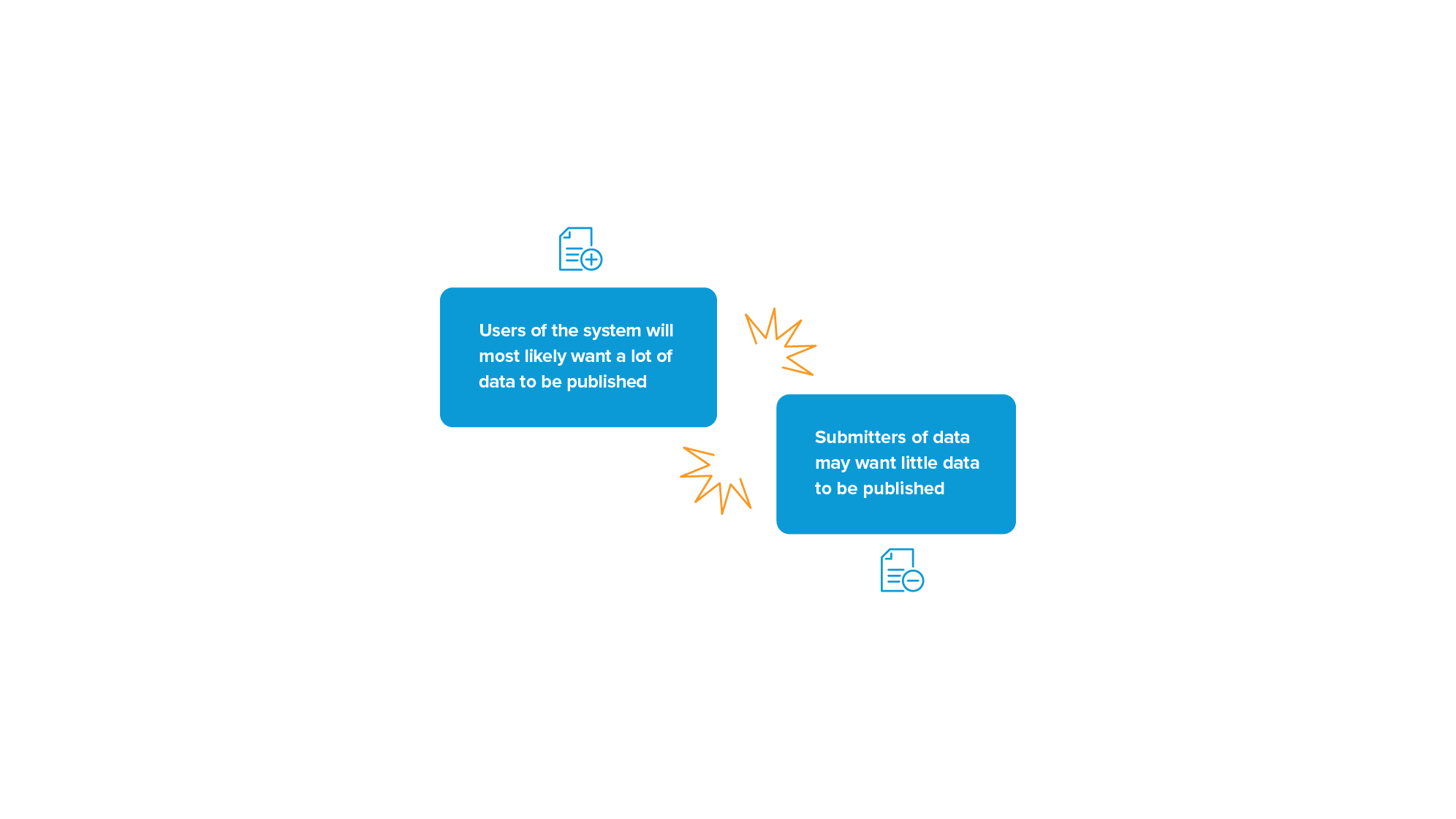
The consultation process must include both those who will be required to submit reports that will be published—in most countries political parties and electoral contestants—and likely users of the publication system, such as civil society groups and media outlets, and possibly also academics and other public institutions. For more information about the importance of civil society and the media in raising awareness about political finance, see the section on increasing public awareness.
Do expect that the views and preferred solutions will vary between these stakeholders. Those required to submit financial reports are likely to wish for the system to require little work from their side and for the data included to be limited. On the other hand, civil society groups are likely to ask for vast amounts of data that can be downloaded and analyzed. Expect journalists to focus on readily available data published quickly, and where possible including ready analysis by your institution. Developing infographics and similar visually appealing messages can assist your institution in getting its message across in the media, though you need to be careful in ensuring that any analysis you provide does not lead to your institution being accused of political bias.
Academics will be less focused on data being available quickly, but are likely to request access to raw data that has been submitted. They will benefit from the data being available for download in a user-friendly format.
In general, you should be ambitious and focus on a high level of transparency, but it is also important to be realistic. Remember that the system you develop must be sustainable. If the system is being developed with assistance from international actors, consider how it can be maintained when such assistance may no longer be available.
Most persons working for oversight institutions are not IT experts; it is recommended that IT expertise is brought in at an early stage to ensure that it is possible to create the envisaged system with existing resources. Persons with expertise in ensuring that systems are accessible to person with disabilities (often disability advocates) should also be brought in to provide input on how the publication system be made accessible to all. Whoever is brought in to assist with the system, you must make sure that you always retain ownership of the development process and the final output.
You should also consider what legal or other limitations that may exist regarding the publication of submitted financial data. This can relate to privacy concerns, such as publishing the addresses or ID numbers of donors. For example, in Sweden, the law on political finance oversight allows publishing the identity of legal entities making donations, but for privacy reasons bans publishing online the identity of private individuals making donations. Limitations on publication can also relate to thresholds of donations—for example, the law may say that the identity of donors can only be published if they have donated more than a certain amount during a given period. In such cases, you must ensure that you have a system allowing you to sum up the total value given by the same donor. This will be easy if your data includes unique ID numbers but very complicated if, for example, many donors have the same name. In South Africa, a donor can formally request that personal information is not published. The Electoral Commission must then decide whether to agree to this request, taking into account among other things “the public interest in disclosing the information in question and whether it outweighs [the need for anonymity]” (Article 2, Political Parties Funding Act Regulation 2021).
Connecting Reporting and Publication, and Preparing Data for Publication
One factor influencing how you can publish received financial reports is how these reports are provided to you. If they are provided in hard copy (paper) format, and especially if the reports are filled in by hand, then you will have to act differently than if the reports can be filed through data entry on your website or through the submission of electronic files.
If you are developing an electronic reporting system, make sure that it is designed from the beginning to allow for the data being made public without hassle (possibly without any intervention of the oversight institution). If a system is used whereby political parties or electoral contestants send financial reports using electronic files such as Microsoft Excel documents, have an IT expert check that the forms being developed are designed so that the data can easily be “scraped” and entered into a database. If you end up in this situation, try to ensure that those submitting reports can only enter information in the expected manner, and not alter the form in any way, since this may hinder attempts to scrape submitted data into a database. This can, for example, be done by protecting cells in Microsoft Excel or by using form-enabled PDF files (the latter can however be a little tricky).
Finally, remember that financial records can be entered into an electronic database even if they are submitted to your institution in hard copy (paper) format. This is most easily done through having staff of your institution, people borrowed from other institutions, temporary hires, or even volunteers manually enter data from paper submissions into a database. These individuals should only require basic training and need have only basic computer skills. If you are worried that people may intentionally or unintentionally make mistakes in entering data, a system can be set up where the same data must be manually entered by two different people, and have the system set up so that it rejects any cases where the entries do not match. While manual entry will certainly require some effort, a great advantage—apart from being able to publish the information in an easily accessible format—is that this will also greatly assist your review of received reports, including cross-checking the data with other data sources.
If nothing else works, with a simple computer and a scanner you can create electronic versions of any received files. If these have been filled in with a computer originally, it may even be possible to scrape data from these electronic files and enter into a database automatically (seek advice from an IT expert on how this could be done). On the other hand, if a report has been entered by a political party or an electoral contestant using a computer, you should ask yourself why you do not have access to that electronic file instead of a printout or a PDF file.
In some countries, legislation requires that reports be signed by hand, which may require the submission of hard copy (paper) reports, even where these have been filled in using a computer. In such situations, it may be possible to reach an agreement with those required to submit reports that they fulfill the legal requirements by submitting a signed hard copy of reports, but at the same time submit the information in electronic format. For example, they can fill in a Microsoft Excel reporting form provided by the oversight institution; then print, sign, and send a hard copy (paper) version of the report; and email the same file to the oversight institution.
As discussed in the section on advisory services and the section on preparing reporting, it is essential that you provide careful guidance to political parties and electoral contestants on how to submit their financial reports. If they do not submit their reports accurately, you will not have data to publish (or at least not have the data in the expected format).
Here are some examples of guidance materials specifically provided for electronic reporting:
Australia: Guidance on Submitting Financial Reports Using the eReturns system
Bosnia and Herzegovina: User Guide for Submission of Financial Statements Using the Application “FI CIK BiH”
Brazil: Frequently Asked Questions Regarding the Annual Accounts Rendering System
Making Sure That Data Is Published in a User-Friendly Format
Data received about the financing of political parties and election campaigning should be published in an open and accessible format. Consider theâ¯Open Data Charter, which expresses the need for data to be open, timely, accessible, and comparable.â¯
There is no technical agreement on how to publish political finance data in a user-friendly manner, and the best approach in each country depends on the data being submitted, on resources available, and on existing legislation and regulations.
Your institution should seek to publish the data so that it allows users to as much as possible access the information that they are interested in. Ideally, the database should allow users to search over all submitting entities and years/elections. For example, has a person made a donation to any political party at any time (allowing for searches across reports submitted by different political parties and election contestants over the years)?
If you have data from earlier years/elections, consider how this can be made available to increase the information available to the public. Start with publishing the newest data available when the online publication system is created, since that is what users will be most interested in. Then go backward in time and add older reports. Be aware that adding older reports to the publication system may be more complicated and demanding as systems and definitions may have changed over time. See more in the section onâ¯managing the publication of data.
Information from received financial reports can be published inâ¯static tables or graphs.â¯Such an approach can be very valuable for journalists and others interested in getting an immediate overview of the data. However, note that such tables do not themselves make it possible for users to explore the provided data.
An important issue if you are publishing graphs and summaries of data is how far a public institution can go in analyzing received data before its neutrality may become questioned. It would, for example, not be a problem to report how much of the total party income that parliamentary parties receive is from public funding on average. However, if you emphasize how much each individual party received from, say, property developers, or if you publish that a certain party received 90 percent of private donations from only ten donors, it is possible that accusations of bias may be made.
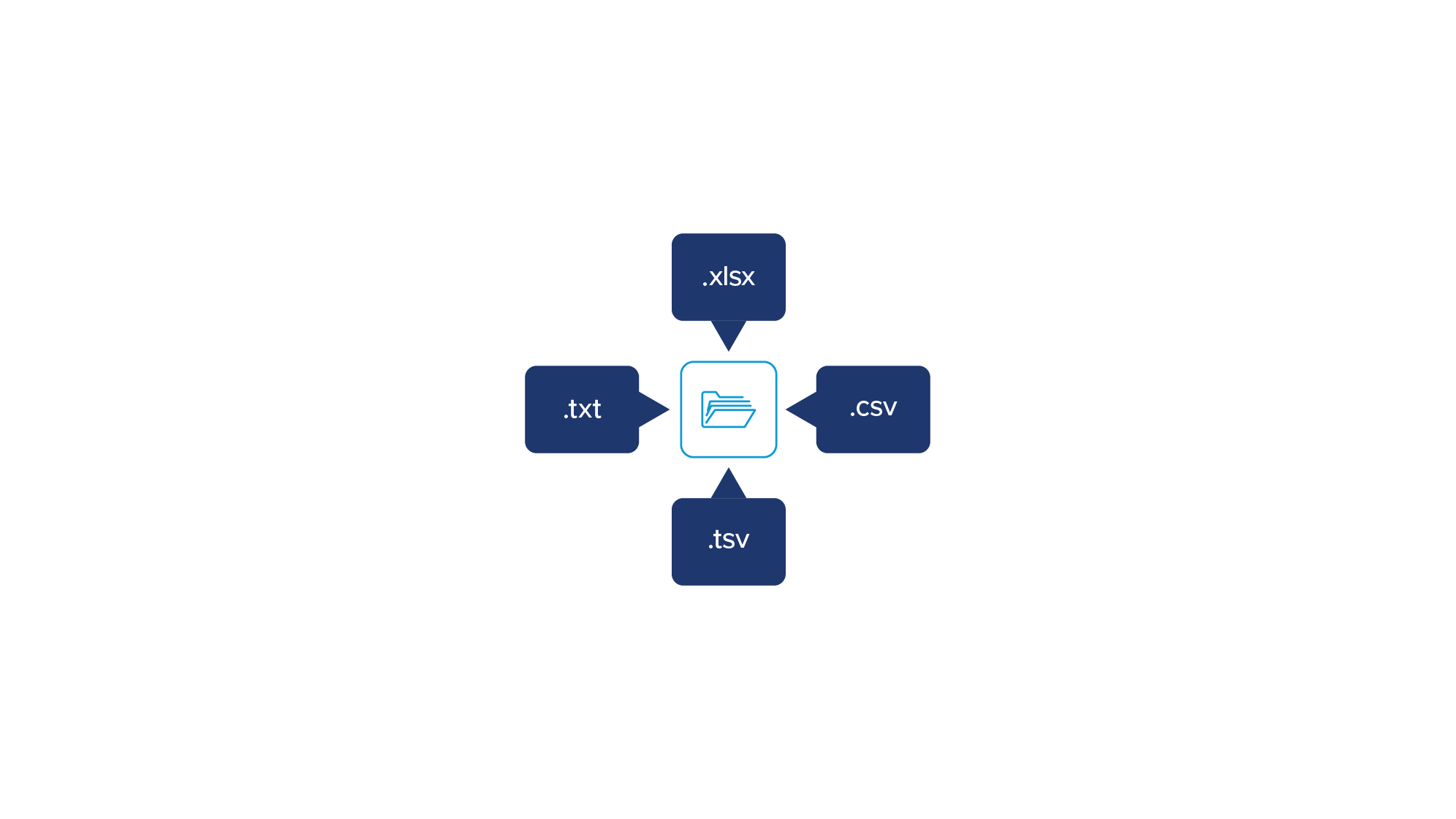
If you are publishing a database with received financial reports, make sure that data can be downloaded. One of the most common approaches for the publication of databases is through aâ¯comma-separated values (CSV) file, which is a simple text file where the data is separated by commas. Note that if the comma symbol (â,â) is commonly used in writing numbers in your country, either to separate thousands or decimal numerals, exporting data in CSV format may lead to it being inaccurately displayed. In such cases, depending on the structure of your data, you may wish to consider using aâ¯tab-separated values (TSV) system instead.
If you use the CSV format to publish the information, make sure it is possible to understand the data once a user has downloaded it, as there is a risk that CSV data comes out in a very confusing manner, even when users can modify the files through software such as Microsoft Excel. For example, the system inâ¯Swedenâ¯has limitations while a more user-friendly approach is used in the United Kingdom. In South Africa, theâ¯Electoral Commissionâ¯allows users to download a summary of reports in Microsoft Excel format.
Political finance data and the regulations that control them can be very difficult to understand for those who are not accountants/auditors or financial/legal experts. Make sure that complicated terms and concepts are clearly defined and explained whenever possible. Also consider the users when preparing these explanationsâit may not be possible to explain very complicated concepts to average citizens, so you may wish to consider having several levels of explanations of key concepts, with basic information for casual users and more detailed explanations for users willing to spend more time on the information. Do also consider the implications that such an approach may have on the workload of your staff.
Also make sure that the publication system you use is accessible to all your users. This can include translating certain data into different languages, as well asâ¯accessibility for persons with disabilities.
There are many approaches that can be used to ensure that users can access the submitted data in different formats. In Ukraine, the National Agency on Corruption Prevention has published anâ¯application programming interfaceâ¯(API) that allows those with a significant interest to develop applications through which the data can be made publicly available in different formats.
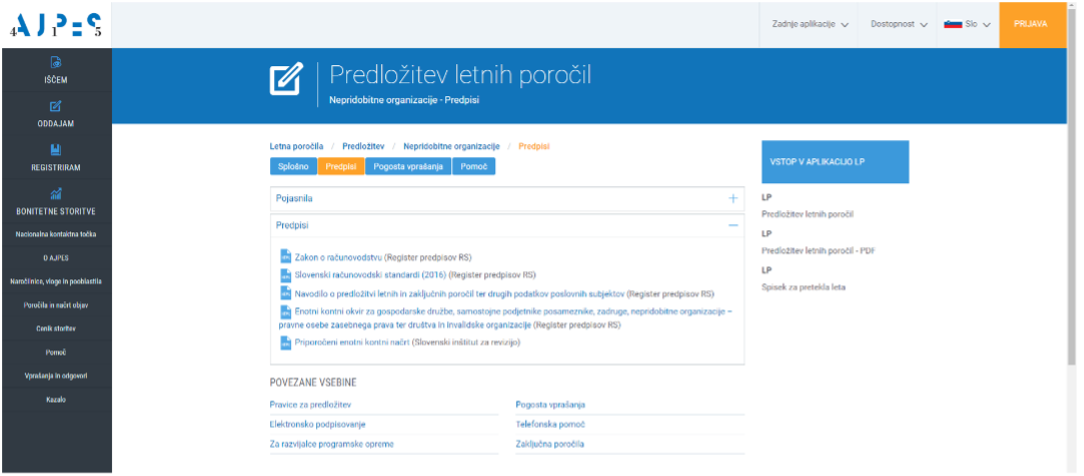
For examples of databases by public oversight institutions, please click on the name of the respective oversight institution in the table below.
Managing the Publication of Data
In this section we consider some practical considerations for the planning, original publication, and maintenance of received financial reports.
As mentioned earlier, the system must be based on careful planning, consultation with internal and external stakeholders, and field testing.
One issue to consider is the likely workload for the uploading and maintenance of the publication system. You will need to ensure that you have the necessary personnel available, noting as well that the times of financial reporting deadlines tend to also be times when oversight institutions have an especially high workload also in terms of the review of the same reports, as well as in terms of stakeholder engagement. This can put special demands on staff recruitment, and you may need to bring in additional staff or hire outside IT support. Naturally, the more automated the system is, the less staff workload you should expect (assuming that the system works). A system where you may need staff or volunteers to manually enter data received in hard copy (paper) format into a database will most likely be significantly more demanding. Manually scanning paper documents for publication on your website as PDFs is less demanding, but may still require a significant temporary increase of personnel for the data to be made public quickly.
Cybersecurity considerations are very important for your publication system of received financial reports. Cybersecurity should be considered at every stage of the process. This should begin by establishing an understanding of the types of data and the sensitivity of that data while designing system requirements, and continue through making sure security requirements are reflected in procurement tenders and adequately addressed by vendor bids. Cyberecurity is important to consider across the system’s life cycle and is a central part of maintenance (for example, making sure security updates are continuously applied). Finally, cybersecurity extends to making sure system components are disposed of properly with all sensitive data either removed or destroyed after a system is decommissioned. Additional consideration should be given to the design of systems that will interact with public-facing components, and the interface between the public-facing portion and the private “back-end” of a system needs to be engineered to integrate protections against unauthorized access and be resilient to attacks against the system’s availability, among many other considerations. Bringing in IT and cybersecurity experts at an early stage can significantly reduce the likelihood of security problems that can hinder system efficacy and expose the system to unnecessary risk later in the process or after decommissioning. The system will need to also be integrated into larger cybersecurity incident response plans, which will need to be updated to account for new procedures to return to operation after interruption due to cyberattacks or other problems.
Many oversight institutions will have an accumulation of received financial reports going back several years and several rounds of elections. You should consider how these reports can be made available to the public in a user-friendly format. When an electronic publication system is set up, focus first on ensuring that the current reporting system is suited to how the data will be published. If you have a lot of old reports, review these to see how the system can most easily also accommodate the migration of this older data to the new publication system (even if the data has been previously published; for example, as scanned PDFs). However, do not wait until you have migrated older files to launch your online publication system—make your system available to the public as soon as the most recently reported data has been imported. If it is not possible to add older data into a system being developed for future reports, you can consider adding an “archive” where the older data is provided in its existing format.
The final consideration to stress, and one of the most important ones, is the need to test the system at all stages of its development and from various perspectives. You will need to test the cybersecurity of the system, as well as how well it manages large amounts of traffic without breaking down (stress testing). Perhaps most important is testing by potential users who have not been involved in the development of the publication system. It is very easy when you develop any system that you come to take for granted that what you develop will be understandable by all users. However, these assumptions may be incorrect, and it is very useful to have persons from different categories of potential users (for example, average citizens, journalists, civil society activists, academics, and even staff who have not been involved in system development) test the system before it is officially launched. Younger people tend to be more used to advanced technological systems, so make sure that your test panel includes persons of all ages.
See more about developing a political finance publication system through a user experience design on page 36 in this document.
Publication of Your Decisions and Actions
Publishing received financial reports is essential for increasing transparency in political party and campaign finance, and for using the public to support controlling the accuracy of the reports.
To fully show that your institution is active in overseeing compliance with political finance regulations, and that it is itself transparent about its work, you should also seriously consider how to publish information about your activities and decisions.
Annual activity reports can be useful—see here for the ones published by the oversight institution in France, though it is strongly advised that your institution also publishes information on an ongoing (rather than only annual) basis.
Regarding your activities, it is important that you clearly show that you have provided guidance to political parties, candidates, and others on how to comply with existing regulations. This means that every time you hold a training for party staff or publish a guidance manual for candidates, you should make sure that this is visible on your website. Doing this not only shows the public that your institution is taking its mandate seriously; it is also useful for ensuring that people realize that the responsibility for parties and candidates failing to comply with regulations lies squarely with them, as your institution has done all it can to assist their compliance.
In addition, you should also publish information about all engagement you have with other stakeholders, including coordination meetings with other public institutions and information exchange with civil society groups. You may not always want to disclose the details of what was discussed or agreed, but at least you can publish information that such meetings were held, again helping to increase public confidence in your institution and its work.
Finally, it is important that you publish information about decisions that your institution has taken that relate to political finance. This would include decisions that relate directly to what political parties and electoral contestants need to do to comply with existing regulations, as well as decisions that relate to the way that your institution carries out oversight of political finance regulations. The publication of your decisions lets the public know that you are taking an active role in giving life to the political finance regulations in your country, and it lets stakeholders know in a timely manner what is required of them.
For example, the Agency for Prevention of Corruption in Montenegro publishes its decisions relating to political finance, and the State Commission for the Prevention of Corruption in North Macedonia also publishes its decisions (as well as on other areas of its mandate) here. Another example is the Central Election Commission of Lithuania.
Naturally, publishing decisions on the website of your institution may not be sufficient in ensuring that the information is received by all relevant institutions. You may wish to complement this by sending the decisions directly to the concerned political parties, candidates, and other stakeholders.
Advisory Services
The importance of providing good advice and guidance cannot be emphasized enough. We often focus on the oversight body’s role in pursuing potential violations of the law and thus neglect their broader purpose: namely, to ensure compliance with the rules.
Compliance assurance begins with making sure those who wish to comply with the rules know and understand their legal obligations. As the oversight body with expertise in the applicable legislation and how it operates, you are best positioned to provide advisory services. If you fulfill this function well, the number of inadvertent breaches will decrease, allowing you to target enforcement resources on more important violations. Political parties and politicians are viewed negatively in many countries—reducing the number political finance violations committed can help stem the erosion of public trust and confidence in the electoral process. Moreover, focusing on advisory services helps you demonstrate that responsibility for noncompliance lies with the regulated community, not with the oversight institution.
Political parties, candidates, non-contestant campaigners, and others who are subject to your country’s political finance laws are likely to be the primary users of advisory services. However, it is worth considering other audiences such as journalists, civil society organizations, and even members of the general public when developing advisory tools. These groups and individuals can be a prime audience for advisory services, as regulated entities but also as advocates for and monitors of compliance with the law.
There is a wide variety of tools to choose from for delivering advice and guidance and, subject to the legislation in your jurisdiction, you should consider using a mixture of the following:
- Written guidance material.
- Training programs.
- Webinars.
- Frequently asked questions.
- Formal requests for advice.
- Online videos (see examples from Elections Canada).
- Hotlines.
Below we discuss basic principles that may help may guide your approach when developing your advice and guidance program.
A detailed case study of advisory services provided by the Central Election Commission of Bosnia and Herzegovina is available here (Bosnia and Herzegovina, Case Study on using new technologies to enhance reporting, communication and advisory support for political parties.pdf).
General Principles for Advisory Services
When designing your advice and guidance program, it is important to consider the various audiences and their needs:
- What Information Is Most Important for the Intended Audience?
- Consider the needs of your audience and tailor the guidance to their needs. Determining what information is most important for a particular audience will depend on the country’s political finance system. Political parties, for example, may need to be informed of a broader range of legal obligations—for example, annual reporting or consolidated reporting of expenditure—where they have responsibility for reporting, whereas some of that information may be irrelevant to candidates if the regulatory system does not impose such requirements on them. Also, the depth and type of advice needed by established and experienced parties/candidates may differ from that needed by newer or less experienced parties/candidates.
- When is guidance needed?
Guidance that is not timely loses its effectiveness. Information for candidates should be available during the candidate nomination process; campaign-related information for political parties ideally should be available before the regulated election period begins. Similarly, if operating a hotline, callers need to be offered help within a reasonable time. Special efforts to provide guidance and training should be made whenever the laws or rules change. - Is the advisory service offered user-friendly?
Written guidance that merely repeats the law in legalistic language will not be very accessible to many users. If feasible, preparation of formal guidance should involve both legal and communication experts. It is also worth considering accessibility issues so that persons with disabilities are not disadvantaged. - What are the limits to advice and guidance?
The primary goal of providing services is to help those who wish to comply with the law to do so. It is important, however, to reinforce their need to know the law. This can be done by including a disclaimer that the guidance is not intended to replace the law or to change its meaning. Nonetheless, at least in the absence of formal method for getting a binding opinion, your messaging should stress that by following your guidance and advice, a campaigner’s actions will likely be consistent with the rules and thus diminish the likelihood of them getting into legal trouble. - Is the guidance readily available?
Country context will influence how advice and guidance is disseminated. In smaller countries, it may be feasible to hold centralized training programs whereas regional ones may be more appropriate in larger countries. Online webinars may be standard practice in some countries, but unreliable internet access may make this option less attractive in others. - How to reach your intended audience?
Publication of information online provides a resource for those who make the effort to consult the oversight body’s website. Oversight institutions can be more proactive in their outreach via social media postings or by using a compiled contact database to send political parties and candidates last-minute updates, reminders, and other relevant information. It is better practice to send information directly to candidates rather than to rely on political parties to forward information to them. - Should requests for advice and guidance be tracked?
Tracking such requests can be helpful for a couple of reasons. First, it allows you to see where there is uncertainty about the law or its application. This enables you to highlight those particular areas in trainings, guidance and in a section for frequently asked questions (FAQs) on your website. Second, sometimes those accused of violating the law will argue that they acted in accordance with advice received from the oversight body. A record of the advisory requests and responses given can help confirm or deny such assertions.
Tools for Delivering Advice and Guidance
Written Guidance Material
Written guidance or manuals can be for setting out legal requirements and best practice for political parties, candidates, and other regulated entities such as non-contestant campaigners. The target audience should be clearly identified from the outset in the development process, and it also may be useful to include a reference about the intended audience within the document itself.
In drafting guidance, place yourself in the shoes of the intended user. You will need to determine what information is most relevant to them and how best to present the information so that it is not overly complicated. It can be useful to include tips, to signal points that are important, and to provide references on how to get additional information. You can, for example, place flags or boxes in the margins, change the size of font, or use a different color to highlight key points.
It can be valuable to “road-test” the type of guidance produced with the ultimate users through an existing consultative committee or by asking for feedback from a sample of the intended users. It is good practice to ask users to evaluate guidance products at regular intervals or after an electoral event. This allows you to make the guidance more useful and to maintain its currency.
Below are examples of written guidance documents:
Elections Canada: Political Financing Handbook for Registered Parties and Chief Agents
U.K. Electoral Commission guidance to political parties
Guidance by the U.S. Federal Election Commission
Training Programs
Training programs require intense planning and thorough preparation. A good starting point is to define the rationale for the training, and then identify its objectives and who should attend the training. In selecting the participants, it may be relevant to consider whether to bring representatives from different political parties together or to hold separate trainings for each political party or coalition of parties. In some countries, political parties/candidates may not wish to engage with or share their regulatory concerns with opposing parties/candidates. Where separate trainings are held, it is important to ensure that the same information, advice, and interpretations are given to all participants to ensure consistency.
The next step is to develop an agenda for the facilitators. This agenda should set detail for each session of the training program and address the following areas:
- The time allocated to the session.
- The topical heading of what will be covered in the session.
- The identity of who will be delivering the session.
- A detailed outline of the session’s content.
- An indication of what each segment consists of; for example, presentation, group work or feedback
- The materials needed; for example, flip charts, projectors, sticky sheets, and pens.
- The learning outcomes for each segment.
In creating the agenda, make sure that there is an adequate number of well-placed breaks, which can be much needed by facilitators and participants. The first segment often consists of an introduction of facilitators and participants, clarifying the course’s objectives, and setting any desired ground rules; for example, ensuring confidentiality of what is said and treating each other with respect. Thought could also be given to having an icebreaker that allows participants to get involved early-on, helps establish a good working rapport among participants, and can shed light on the participants’ experience with the subject matter of the training program.
Thought should also be given to ground rules for the training. For example, you will want to agree with the participants whether the discussions are to be kept confidential and to establish whether the trainers’ responses to questions raised are legally binding. Agreeing ground rules also allows you to set expectations about timing and participation.
Training programs that include case studies or scenarios enable participants to apply the course content to concrete examples and thus help solidify learning. They also serve as a mechanism to explore ambiguous or difficult areas of the law.
It is good practice to evaluate training programs. One method is to test how much the participants learned as a result of the program. This can be achieved by administering a test to assess their knowledge before the training and then to re-run the test afterward to see if there has been improvement. If participants are given a random number that they place on their pre- and post-training tests, you can monitor changes in knowledge while keeping the tests anonymous. A short questionnaire distributed at the end of the training or sent to participants a day or two later can elicit feedback that sheds light on what participants liked or disliked about the training so that improvements can be made.
Webinars
Virtual workshops and trainings held online are now common. Many of the considerations discussed for training programs apply to them to, but there are some specific factors to consider for webinars and online training modules:
- Fatigue can be a significant factor and shorter programs may prove more effective.
- Body language is largely absent, which can impact on communication between participants and facilitator and amongst participants.
- Breakout groups can be a way to get discussions going but this need careful planning and explanation.
It is important to be familiar and adept with the platform used for the virtual training.
Frequently Asked Questions
A list of frequently asked questions on the oversight institution’s website is an effective way to respond quickly to standard queries and can help educate, inform, and guide political parties, candidates, journalists, and others.
In selecting questions to be included, you may want to highlight key regulatory requirements, areas that have proven problematic in terms of noncompliance and queries raised by stakeholders through hotlines and other requests for advice and guidance.
Here is an excellent example of FAQs by the Electoral Commission of South Africa.
Formal Requests for Advice
In some countries, political finance legislation expressly provides a formal process for obtaining an advisory opinion from the oversight institution. The formal advisory opinion process can serve as a “safe harbor” for those subject to regulation. For example, in Canada and the United States the oversight institution may be barred from taking enforcement action against someone who has acted in good faith in accordance with an advisory opinion.
If the law in your jurisdiction explicitly or implicitly authorizes you to issue advisory opinions, it would good practice to have a policy in place that addresses:
- Who may file a request for an advisory opinion: Requiring the requestor to be the one wishing to engage in the activity in question prevents electoral opponents from using the advisory opinion process for party political purposes; for example, by strategically using the process to get the oversight institution to ban activity they think an opponent is going to undertake.
- What activity may be the subject of an advisory opinion request: The request should relate to a specific activity to be undertaken, as opposed to a general question of interpretation, and the description of that activity should be complete and sufficiently detailed.
- What the process is for obtaining an advisory opinion: This will include requiring the request to be in writing, making it public, allowing others to comment on the request, and the timeline for the oversight institution to respond to the request (see Advisory opinions.pdf).
- How long the oversight institution has to respond to an advisory request: This avenue for seeking assistance will lose its relevance if there is no time set or too long a time is set for obtaining answers to questions.
- How to guard against potential misuse of the advisory opinion process: It may help to include language in the opinion issued which limits its application to the facts presented in the request. For an example from the United States, see the last page of the document Advisory opinions.pdf.
- Whether the requestor can challenge an advisory opinion if the requestor disagrees with it: Consideration needs to be given to whether there will be a mechanism for a requestor to appeal the advice provided. The oversight institution will also need to consider whether the undertaking of an action it concluded would be prohibited in an advisory opinion will be considered an aggravating factor when considering enforcement.
Hotlines
Electoral campaigns can be fast-moving environments where issues arise that demand quick resolution. Oversight institutions can help address this need by operating a hotline that offers a way for campaigners to get answers promptly to their questions. Hotlines often consist of a dedicated telephone number that campaigners can call for help. However, the same principles and practicalities would apply to a text-based service such as WhatsApp or iMessage.
- Set a performance target for responding to hotline calls: Users need to know how long they might have to wait to get an answer.
- Be sure the hotline is monitored sufficiently to meet your performance target: Staff need to be assigned to monitor and respond to incoming queries. If responsibility for doing this is not clearly allocated or hotline queries go unanswered, the oversight institution’s reputation may suffer and campaigners may become disgruntled.
- Prepare answers for standard questions in advance: This will save time and help ensure consistency in how questions are answered.
- Establish an escalation system for difficult questions: Some questions will present novel issues that will require considered thought. It helps to have a system in place for how these questions can be escalated to the appropriate decision-maker.
- Track questions asked: Tracking allows the oversight institution to ensure the consistency of advice given and to garner an understanding of areas and issues that campaigners find challenging or ambiguous. The oversight institution may use this information to change its written guidance, to shape future training programs, or to add entries to its FAQs. You will need to decide whether to allow anonymous requests. Doing so may increase the number of requests received.
Policy Development
What Role Can Oversight Institutions Play in Policy Development?
The role that an impartial and politically neutral body with oversight of political finance issues can play in policy development will usually be limited, but it can still be important.
An oversight body is unlikely to be able to design the policy or regulatory framework within which it sits, or to drive major changes to the framework. This is because the key policy decisions—such as what controls should exist on donations and other funding provided to political actors, or what spending and campaigning activity should be regulated—need political legitimacy, and ideally consent from the broad range of political actors within the jurisdiction. As the oversight body, you most likely do not have the power to make unilateral changes to the legislative framework, as this prerogative lies with the legislative body.
However, an oversight body that has had some experience of operating or overseeing a framework of controls on political finance can play an important role in advising policymakers—including governments, parliaments, and independent reviewers—about how design problems in the framework can be resolved, and how ideas for changes to the framework will work in practice. An important aspect of this is ensuring that political finance regulations are enforceable.
For example, an oversight body may do some or all of the following (the links are to examples of the work of the United Kingdom’s Electoral Commission):
- Provide information and advice to inform a political party’s or government’s initial policy development.
- Publish briefings to inform legislators and decision-makers when draft legislation or policy changes are under consideration.
- Conduct a systematic review of the effectiveness of a framework and make recommendations about how it can be improved.
In some jurisdictions, the law requires the political oversight institution to make recommendations regarding the legislative framework. For example, in the United States, the Federal Election Commission must make annual legislative recommendations. See, for example, its recommendations for 2021.
In addition, political finance legislation often establishes broad rules that then have to be interpreted and applied to different factual scenarios. As an oversight institution, your interpretation and application of the rules will often involve policy development. This is most evident in the development of operational policies and procedures but it also applies to how you interpret and apply the rules in the advice you give and the enforcement cases you handle.
How Can You, as an Oversight Body, Contribute Effectively to Political Finance Policy Development?
The following steps can help you contribute to the development of political finance policy:
- Be open and consistent with all relevant actors about what you are considering or recommending, and why.
- Develop clear explanations of how any policy changes you recommend will have a positive outcome, such as:
- Better achieving the overall policy aims of the framework, without producing an unfair advantage or disadvantage for any political actor.
- Removing unnecessary administrative burdens on political actors.
- Engage political actors and other interested parties at an early stage to obtain their perspectives on the issues you are exploring and, where possible, win their support for the changes you are recommending.
Increasing Public Awareness
Political finance is crucially important in any democratic state. How those wishing to run a country (or a local government area) raise and spend money when running for election, and how political parties finance their activities, are essential for how the democratic process functions and for the accountability of elected representatives. There is a clear link between illicit political finance and corruption.
The role of money in politics is also critical to public confidence in the political and electoral processes in any country. If the public is confident that politicians listen to the voices and act in the interest of the electorate, their trust in the political system will be much higher than if the public expect that politicians will rather listen to those who provide substantial financial support, and act in the interest of oligarchs and big business.
However, the importance of money in politics for the daily life of average citizens is not always obvious to everyone. It is often a major challenge to explain how seemingly technical details of donation bans, spending limits, and public funding relate to the daily life of average citizens, which also applies to efforts to enforce such regulations. This can be a major issue for a public institution mandated to increase transparency and public awareness of the role of money in the political process.
A lacking public awareness of political finance, its regulation, and the efforts to bring transparency to it can be detrimental to democracy in many ways. A partial understanding of existing efforts in this field can feed misunderstandings and false narratives of how politics is funded, and further undermine public trust in the political process. Cynicism regarding efforts to oversee and increase transparency in political finance can also reduce the opportunities for the oversight institution to benefit from the public’s assistance in controlling submitted financial reports, and in reporting potential violations of political finance regulations. For example, citizens will be less likely to report potential cases of vote buying or abuse of state resources, or to point out omissions in financial reports, if they do not expect that doing so will lead to relevant consequences.
Although it may not be explicitly stated in legislation, as a political finance oversight institution you therefore have the challenging tasks to:
- Increase public awareness about the importance of political finance for the democratic process.
- Increase public awareness about the impact of political finance on the everyday life of average citizens.
- Highlight existing regulations regarding political finance, including requirements of financial reporting.
- Emphasize the work of your institution in monitoring compliance with and enforcing existing regulations.
In doing this, you should seek to acknowledge challenges and shortcomings that exist, while stressing the positive efforts being carried out, and the importance of the public assisting this work. Make sure that your efforts to raise public awareness are directly centered in your communication strategy.
There are three main ways to raise public awareness about political finance:
- Direct outreach to the public.
- Outreach via civil society.
- Outreach via media.
Direct Outreach to the Public
Where possible, your institution should seek to directly engage the public on raising awareness of the importance of political finance. Direct communication allows you to transmit your key messages without a middle person who may have their own particular agenda or who may not completely understand the issues involved.
It is very useful if your institution produces basic information about political finance, its regulations, and what this all means for the general public. For example, the Australian Electoral Commission publishes frequently asked questions with basic information (though mainly aimed at candidates), while the Electoral Commission of South Africa explains in basic terms the legislation in a dedicated document.
Raising awareness about political finance and how parties and election contestants raise and spend money is also closely related to how you publish received financial reports. While the publication of data will most likely include complicated concepts and financial terminology, it helps public awareness if you can provide a glossary and make the data as easily understandable as possible. You may also want to guide users to information that may be most relevant to them; for example, where they can search whether a certain person or company has made any political donations, as in the example of the Federal Election Commission in the United States.
Unfortunately, there are in most situations significant limitations on how much you can do to directly raise public awareness regarding political finance. Most people are not in the habit of visiting the website of public institutions unless they have a direct personal connection to what the institution is dealing with. Therefore, to complement your efforts to raise public awareness directly, you should also consider doing so through engagement with civil society and the media.
Relationship With Civil Society in Raising Awareness
Civil society organizations (CSOs) that have a particular interest in the political process, the rule of law, governance, and democratic practices can be useful partners to your institution in raising public awareness about political finance. There can always be a risk of political bias among them, though, and you should be careful not be seen as giving approval to or supporting a particular group. But this does not mean that you should not engage with CSOs in a proactive and positive manner. Such engagement can help keep CSOs accurately informed about the law, the actions you are taking to implement the law, and the challenges you are facing in doing so. CSOs must also be free to criticize the work of your institution in overseeing political finance in any open and democratic society. Criticism from CSOs is something you must accept, though naturally you should explain your side of any story and seek to clear up any misunderstandings that may occur.
CSOs may have more capacity to address issues relating to raising awareness regarding political finance and its transparency than an oversight institution that is also mandated to receive, review, and publish financial reports as well as to provide guidance to political parties and election contestants. In addition, CSOs are not bound by the same requirement as public institutions to avoid any suspicion of bias. They may, for example, publish information about which parties have received the largest corporate donations or which parties spent most money on negative advertising—approaches that may not be suitable for a public oversight institution to adopt.
As is discussed elsewhere in this toolkit, make sure that you publish information about your engagements with CSOs on your website to increase transparency about your activities and to show your proactive stance on increasing awareness—this is, for example, done by the State Audit Office of Georgia.
Relationship With Media in Raising Awareness
Perhaps the actor with the highest potential for raising public awareness about political finance is the media, in its traditional and new forms, from newspapers to television to bloggers and influencers. The same issues of potential bias and lack of understanding that relate to CSOs also apply to the media, but your institution should seek to provide accurate and objective information that can be transmitted to the general public through the many different channels available to various media outlets.
If your institution has a communication department or a press officer, make sure that the political finance oversight unit engages with them frequently to ensure that any information you wish to communicate about political finance is presented in a way that maximizes the chances of media picking it up and transmitting it further.
In general, journalists are often less interested in detailed data from submitted financial reports (unless it is easily digestible), but they are more likely to be interested in receiving information in a timely manner.
You can also produce articles with general information about party and campaign finance, including infographics that media outlets can use in their reporting—as in this example from Norway.
Toolkit Navigation
Overview of Oversight, acknowledgments, and author information.
The glossary provides definitions for terms used throughout the Oversight.